Some foods look harmless, and some even look healthy.
Yet your teeth can still take damage quietly over time, especially when sugar, acid, stickiness, starch, or dry mouth enter the picture.
Tooth damage often begins with acid attacks. Plaque bacteria use sugar as fuel and produce acids that attack enamel, which is the hard outer layer of each tooth.
Sugary foods and drinks give those bacteria more fuel, and each sugary snack or sip can leave teeth under acid attack for up to one hour.
Sipping an acidic drink for hours can also keep enamel exposed again and again.
In other words, contact time is a major part of tooth damage.
Food #1 – Hard Candy
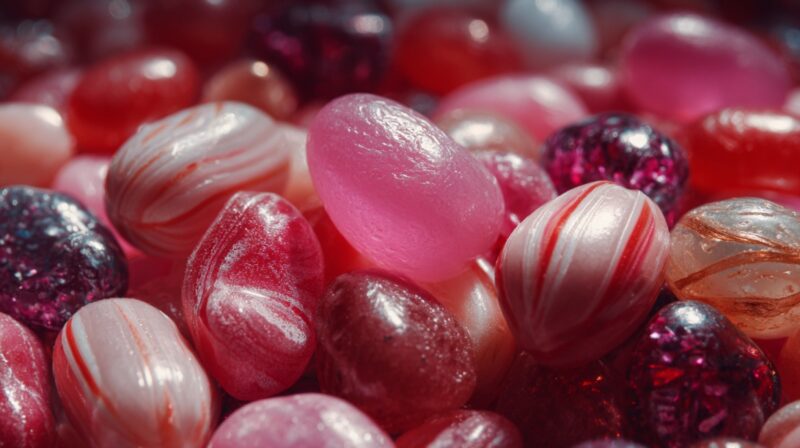
Hard candy seems small, normal, and easy to dismiss. Many people treat it like a minor snack, not a serious dental risk.
Since it does not always stick to teeth right away, it may seem safer than chewy candy.
Damage begins because hard candy dissolves slowly. As it sits in your mouth, it keeps bathing your teeth in sugar.
Plaque bacteria then use that sugar to make enamel-attacking acids. Longer sugar exposure gives those acids more time to weaken the surface of your teeth.
- Slow dissolving keeps sugar in the mouth longer.
- Longer sugar exposure gives plaque bacteria more time to make acid.
- Biting down can chip, crack, or break a tooth, especially when a tooth is already weak or has older dental work.
If biting hard candy causes sudden pain, a cracked tooth, or damage to older dental work, an emergency clinic such as Akutt Tannlege Oslo may be needed for same-day assessment and treatment.
Food #2 – Sticky Sweets and Chewy Candy
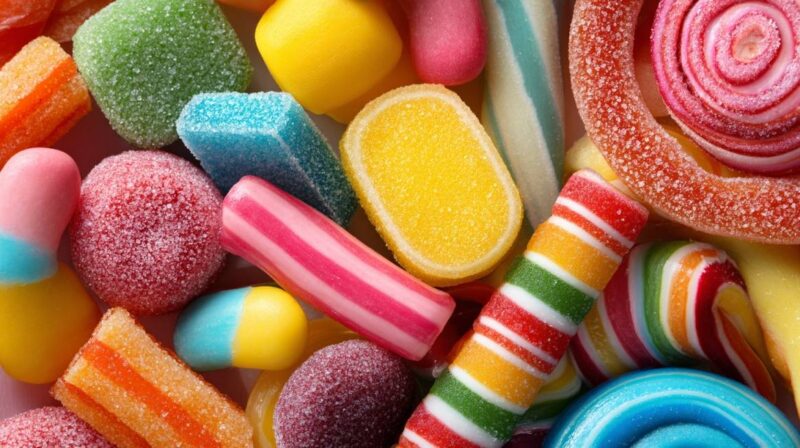
Sticky sweets can be worse than they look because they cling to tooth grooves, chewing surfaces, and tight spaces.
Gummies, caramels, toffees, and chewy fruit-flavored sweets may stay on teeth longer than foods that wash away quickly.
Sugar does more damage when it has time to sit. Chewy candy gives plaque bacteria a longer feeding window, which leads to more acid production.
More acid means more enamel stress and a higher risk of cavities.
Stress can also make this problem more common. More than one in four people, 28%, are more likely to eat sugary foods when stressed.
That matters because comfort snacking often happens repeatedly, not just once.
- Gummies
- Caramels
- Toffees
- Chewy fruit-flavored sweets
Repeated comfort snacking can turn small sugar hits into frequent acid attacks.
Food #3 – Citrus Fruits and Citrus Juices
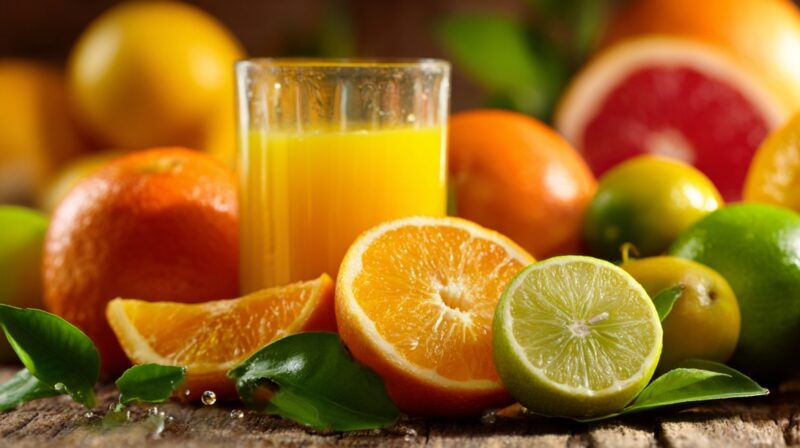
Citrus fruits seem clean, fresh, and healthy.
Oranges, lemons, limes, and grapefruit are linked with vitamins and wellness habits. Lemon water is often treated as a smart daily choice.
Citrus is not automatically bad for teeth. Problems begin when acidic foods and drinks touch enamel too often or for too long.
Acid can wear away enamel through erosion, leaving teeth more vulnerable to decay, sensitivity, and surface damage.
- Sipping lemon water throughout the day
- Drinking orange juice slowly
- Adding lemon or lime to water often
- Eating citrus many times in one day
Lemon or lime in water may make water taste better, but sipping it all day increases acid contact.
Citrus juices can also irritate mouth sores. With enamel erosion, damage may happen slowly, so teeth can weaken before a person notices a major change.
Food #4 – Potato Chips and Crisps
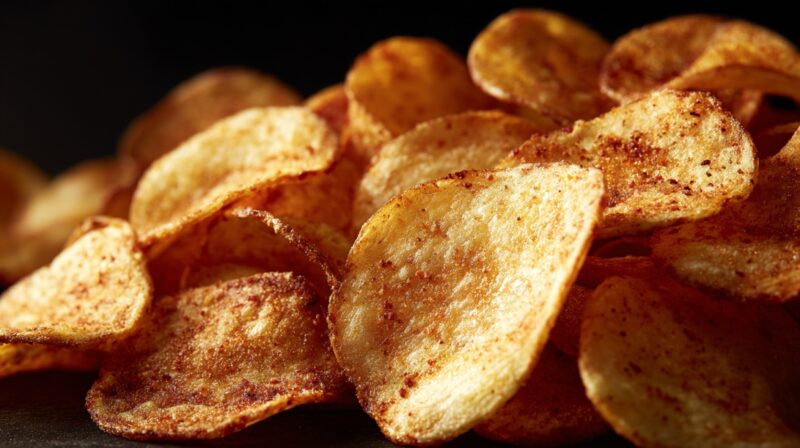
Potato chips do not seem like a tooth-decay food because they taste salty, not sweet.
Many people worry more about candy than chips. That makes chips a sneaky risk.
Chips are packed with starch. Starch can get trapped between teeth and inside grooves on chewing surfaces.
After eating, those starches break down into sugars, giving plaque bacteria more fuel for acid production.
Food particles that stay between teeth can also add to plaque buildup when they are not removed.
Salt can make the mouth feel dry, and dry mouth raises decay risk because saliva helps wash away food particles and neutralize acids.
- 25% of parents said they pack crisps as a snack in children’s lunch boxes.
- 32% said snacks were a top priority during the weekly shop.
Chips are easy to overlook because they do not taste sweet, yet their starch and texture can still create a tooth-decay risk.
Food #5 – Dried Fruit
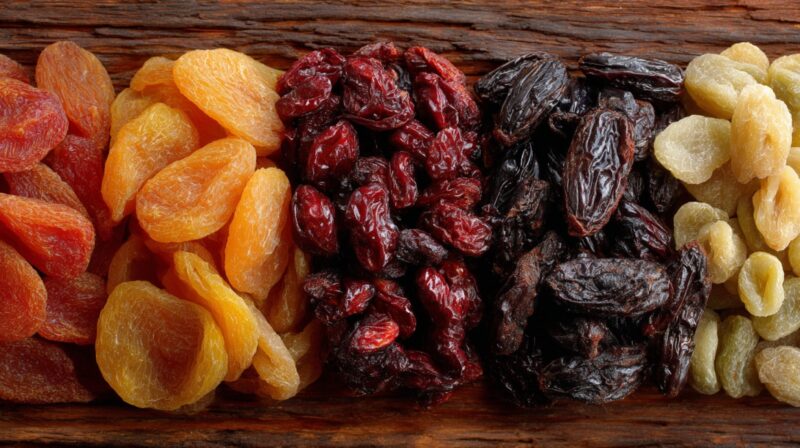
Dried fruit looks like a better choice than candy. It is fruit, it feels natural, and packaging often makes it look like a smart snack.
Raisins, dried apricots, dried mango, fruit leathers, and trail mix can all seem tooth-friendly at first.
Dental risk rises because many dried fruits are sticky and concentrated. Pieces can cling to teeth, lodge between teeth, or sit in chewing grooves.
Since dried fruit often stays on teeth longer than many other foods, its sugars have more time to feed plaque bacteria.
- Raisins
- Dried apricots
- Dried mango
- Fruit leathers
- Trail mix with sticky dried fruit
Trail mix can be especially tricky when it includes sticky dried fruit.
A handful may seem healthy, yet pieces of dried fruit can keep sugar in contact with enamel long after chewing ends.
Food #6 – Cereal Bars and Granola Bars
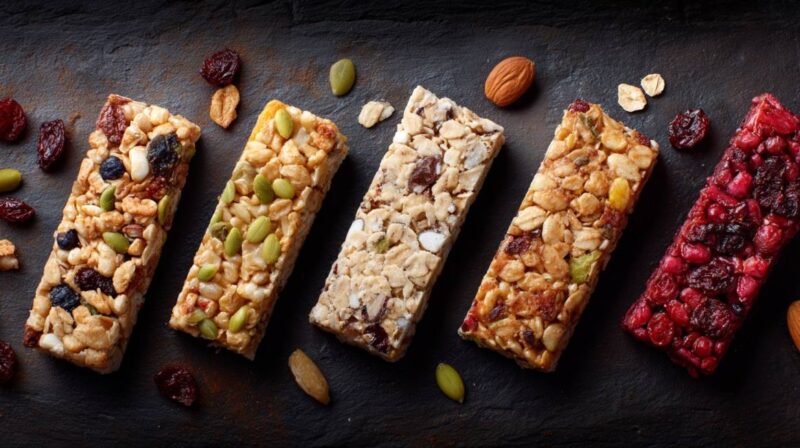
Cereal bars and granola bars often look like health foods.
Packaging may focus on oats, nuts, seeds, or fruit. Many bars are sold as breakfast choices, fitness snacks, or quick options for busy mornings. Dental risk comes down to texture and sugar.
- Stickiness keeps food on teeth longer.
- Small pieces can lodge in tooth grooves.
- High sugar levels can feed plaque bacteria.
That combination keeps sugar near the enamel longer and gives plaque bacteria more time to make acid.
Nuts and seeds can add another issue. Hard pieces may crack a weak tooth or loosen older fillings when chewed.
A bar can look healthy for the body while still being risky for teeth.
FAQs
Summary
Many foods that damage teeth do not look dangerous at first. Some look normal, some look healthy, and some taste salty instead of sweet.
Silent damage usually comes through repeated exposure, not one single bite. Sugar feeds plaque bacteria. Plaque bacteria make acid. Acid attacks enamel.
Once enamel weakens, teeth face a higher risk of cavities, sensitivity, staining, and long-term damage. So, avoid a costly visit to the dentist by keeping track of what foods you eat