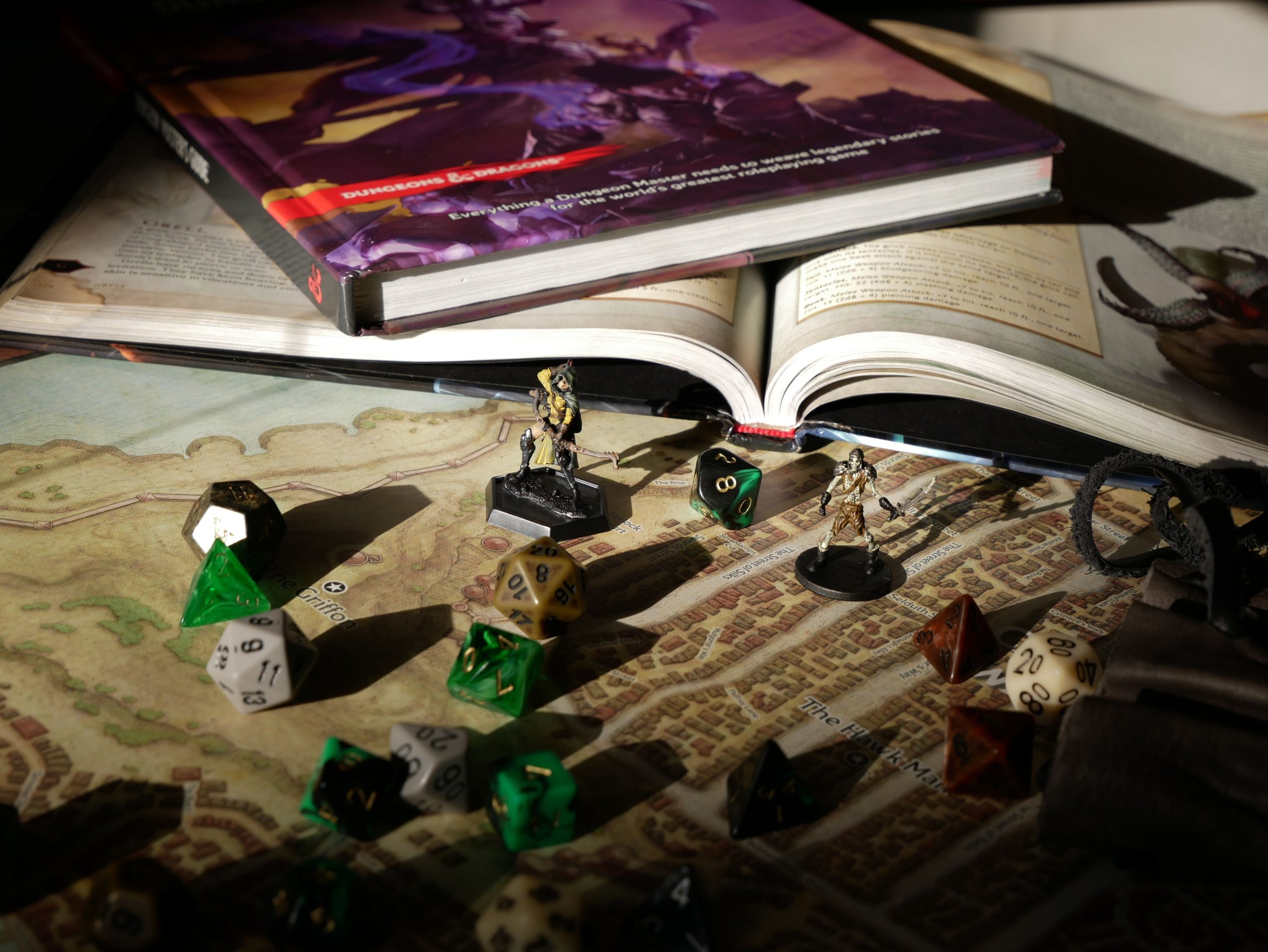
After a day spent answering messages, making decisions and trying to be “on,” pretending to be someone else can feel less like avoidance than a proper change of gear. For some adults, that means a tabletop quest; for others, a cosplay event, an improv class or a character-driven game with friends. Fantasy is moving into ordinary leisure, and it is increasingly discussed as a way to unwind.
That does not mean role-play is a proven stress treatment, or that everyone wants to spend Friday night acting like an elf. Its appeal is simpler: a shared story gives people something to do together, a little distance from everyday identity, and permission to be playful without needing to be impressive.
“Mainstream” means visible, not universal
Role-play used to be easy to stereotype as niche: a basement game, a costume convention, an actor’s exercise. Now its formats are familiar across social life. People encounter fantasy through streamed games, online communities, cosplay, escape rooms and tabletop nights, even if they have never joined a campaign themselves.
There is a useful distinction here. We do not have strong population data showing that role-play has become a common stress-management habit across all adults. What has become more mainstream is the idea that adults can use imaginative play for pleasure, connection and self-expression without having to apologize for it. The stigma has softened; the evidence base has not suddenly caught up.
Why pretending can feel like a break
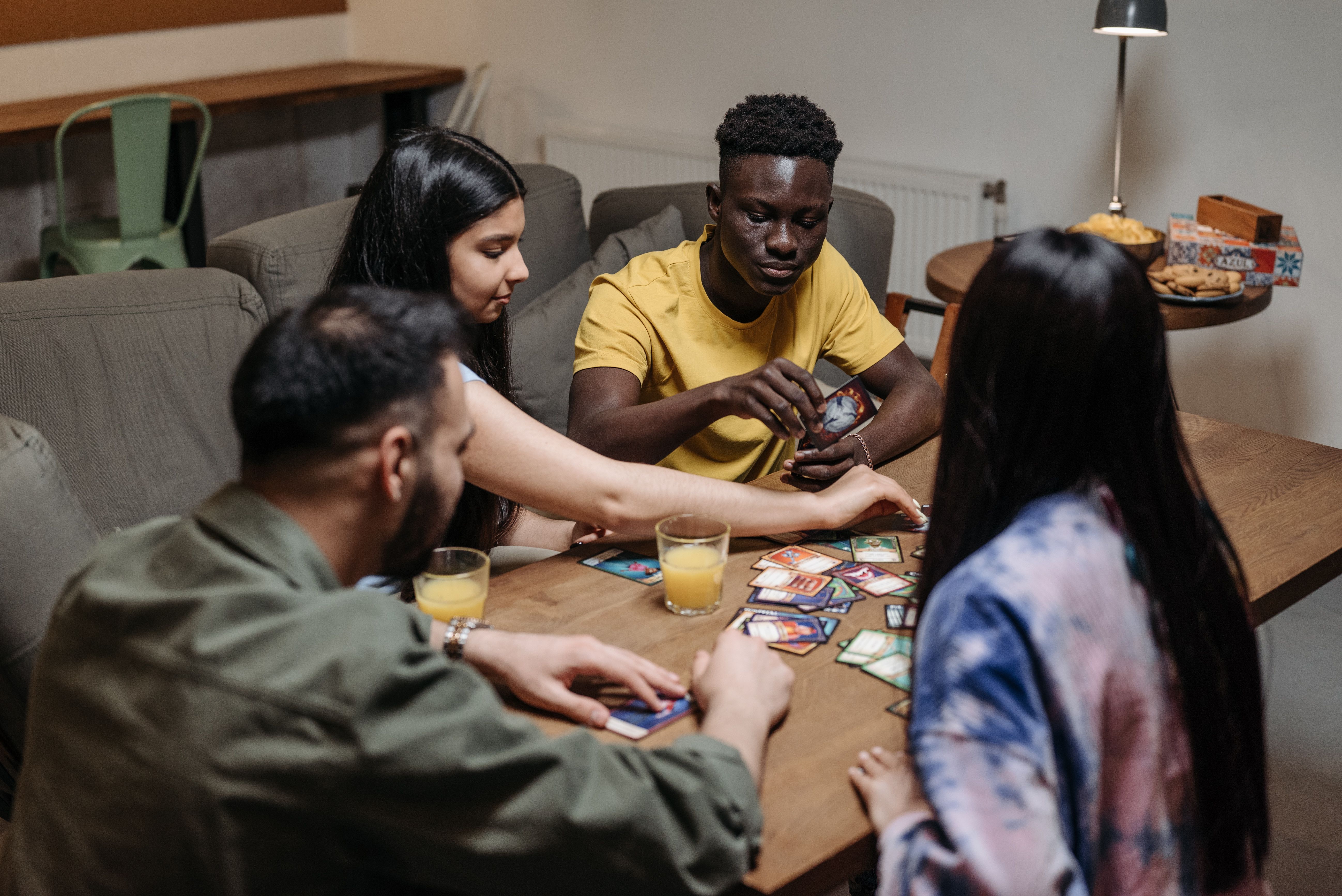
Role-play changes the focus of attention. Instead of replaying an awkward meeting or planning tomorrow’s workload, players decide what a character does next. In a tabletop game, the group may be solving a fictional problem; in improv, the scene can turn on an unexpected offer; in cosplay, the pleasure may come from making and inhabiting a look. The activity is absorbing, but it is also social.
Characters can offer a low-stakes way to test out a different response. Someone who hesitates to speak up in daily life might play a bold negotiator; someone who feels boxed in by routine can explore a world where the rules are different. That does not mean the character reveals a hidden “true self.” It means fiction creates a buffer: the player can try something, notice how it feels, and step back when the scene ends.
The stress relief may come as much from the group as from the fantasy. A regular game night offers anticipation, shared attention and a reason to see the same people again. Those are ordinary social ingredients, but the story gives them structure. You do not have to arrive with a fascinating update about your real life; the adventure supplies the conversation.
Promising findings, early evidence
A 2024 study by Alyssia Merrick, Wendy Wen Li and Dan Miller followed 25 community participants through eight weekly, one-hour sessions of Dungeons & Dragons. Participants reported lower stress, anxiety and depression scores after the game period, alongside higher self-esteem and self-efficacy. That is encouraging, but it was a small repeated-measures study without a comparison group, so it cannot show that the game itself caused the changes. The D&D study in Games for Health Journal is a signal worth investigating, not a prescription.
The broader picture is similarly hopeful and unfinished. A 2024 scoping review examined 51 papers on tabletop role-playing and psychological intervention. Most were exploratory or review papers; only 12 used quantitative designs and four used mixed methods. The authors describe potential benefits for social and cognitive skills, while calling for more rigorous studies. In other words, stories from players and small studies suggest real promise, but they do not yet tell us who benefits most, how long benefits last, or whether fantasy adds more than any enjoyable group hobby. The review of tabletop role-playing research lays out both sides.
It is not only dragons and dice
Improv theatre offers a useful comparison. Participants have to listen, respond and accept other people’s ideas instead of planning every line in advance. In two experiments with 74 and 131 participants, researchers found that brief improv exercises supported positive affect, divergent thinking and tolerance of uncertainty compared with social-interaction control activities. Those are not the same as proving lasting stress reduction, but they help explain why playful, collaborative scenes can feel enlivening: they reward attention to the moment rather than perfect control.

Cosplay adds another route into the same imaginative space: costume, craft and community can make a character tangible. For some people the relaxing part is not performing at all; it is sewing a costume, planning a look, or finding others who share an enthusiasm that may feel unusual elsewhere.

Fantasy also appears in adult intimacy. Munich escort agency Louisa, for example, presents role-play as one option within a date experience. That is a commercial example of fantasy being marketed beyond games and theatre, not evidence that a paid encounter relieves stress. As with any intimate role-play, the restorative value depends on clear, freely agreed boundaries and the ability to stop or change direction.
A playful activity is not automatically a safe one
Some people dislike improvising, feel self-conscious in a group or simply cannot get interested in a fictional world. A poorly run game can also become stressful: one player dominates, a scene touches a painful subject, or the group’s jokes leave someone feeling excluded. The tabletop review notes that fantasy immersion and the game format are not suitable for everyone, and that clinical use needs more care than casual play.
I would resist turning a hobby into a wellness chore. If role-play feels like another performance where you have to be clever, outgoing or emotionally revealing, it has lost the point. Choose a format that lets you participate at your own level; watching, making props or playing a quiet supporting character all count.
How to try it without making it a project
Start with a low-commitment invitation: a one-shot tabletop session, beginner improv class, casual board-game night or local cosplay gathering. Ask what the event involves before you go, especially if it includes acting or touch. For a game with heavier themes, agree on boundaries beforehand and make it easy for anyone to pause or step away.
Afterward, check the simple things: Did you enjoy it? Did you feel more connected, lighter, or at least absorbed for a while? Would you go again? There is no need to measure your stress or declare a breakthrough. If the answer is no, try another kind of play or skip it entirely. For persistent or severe stress, role-play can sit alongside professional support, but should not replace it.
The case for fantasy is not that pretending makes real life disappear. It is that, for a little while, people can meet one another through a shared story instead of through their titles, to-do lists or carefully managed selves. That is modest relief, but modest relief is often exactly what leisure is for.
Research note
This article draws on the 2024 tabletop role-playing scoping review, the 2024 community D&D study and experimental research on improv. Findings on role-play and wellbeing remain preliminary; activities differ, and results from small studies should not be treated as clinical advice.